



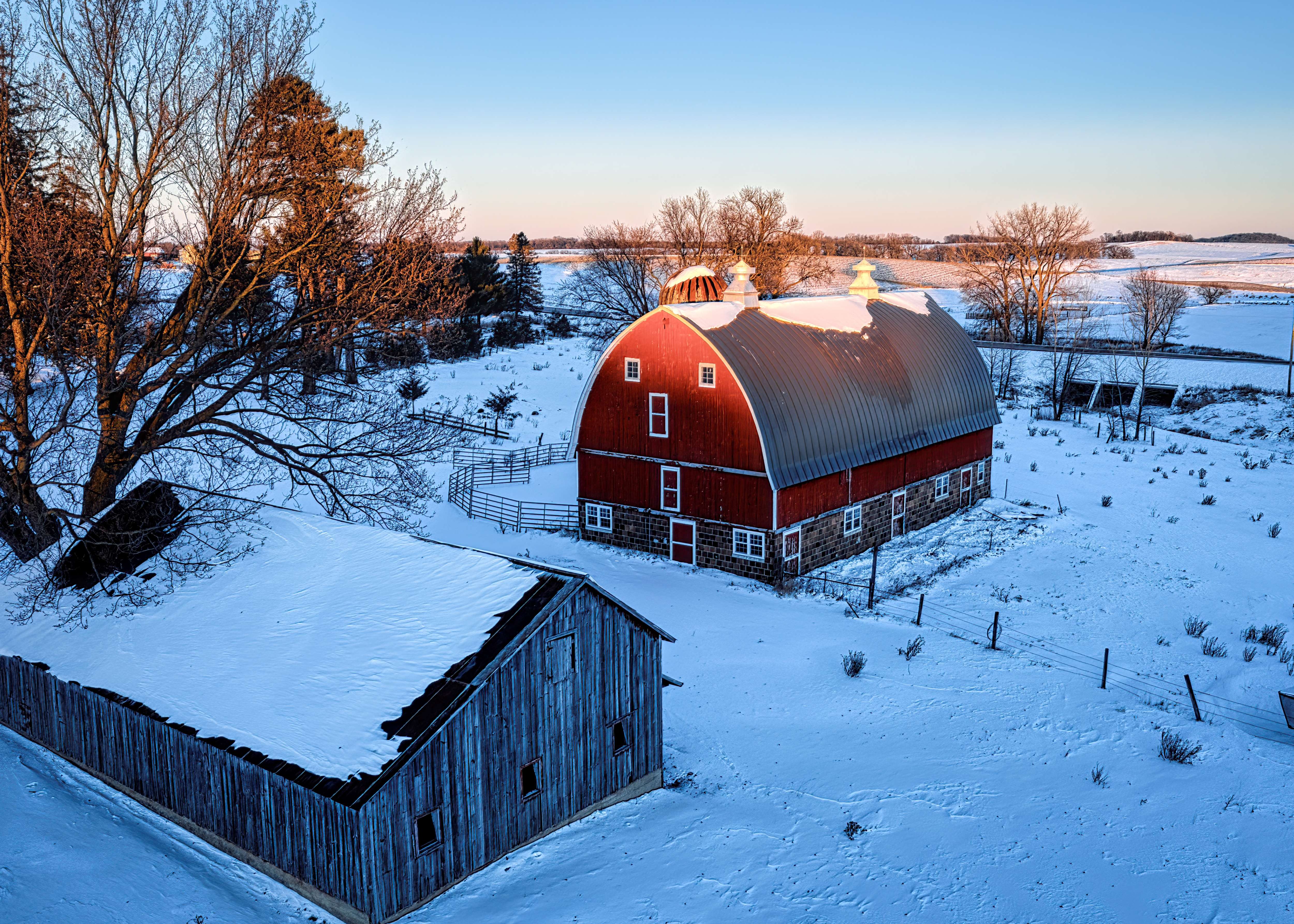
Farming Through the Freeze: Resilience, Planning, and Well-Being in NB Agriculture
February in New Brunswick brings shorter days, frozen fields, and a slower pace across the landscape as the cold weather settles in. While this time of the year may feel quiet, it is a very important phase of planning and preparation for farmers across the province. Decisions made during these early months of 2026 will shape the year ahead for many and will create a baseline of expectations for what’s to come.
New Brunswick farmers are built to adapt and have demonstrated remarkable resilience and dedication through a wide range of weather conditions that impact production, yields, workflows, and markets. From navigating an unpredictable climate to responding to changing markets and ongoing labour challenges, producers continue to evolve and persevere while remaining deeply rooted in their communities.
Extreme cold temperatures impact farmers in many ways beyond what is visible on the fields, placing additional strain on equipment, infrastructure, and livestock care while also increasing day-to-day demands. These prolonged cold temperatures bring significantly higher energy costs for farmers as heating barns, greenhouses, water systems and storage facilities become essential to maintain animal welfare and protect crops and equipment. These added costs make winter planning especially important.
“Winter challenges farmers in new ways every year; frozen water lines, frostbitten fingers and ears, plowing snow, and 4am barn checks of expecting mothers. Through it all, be mindful of the impact of the stress on ourselves and others, have empathy for those who are still learning the ropes, and ask for help from those who have farmed through decades of deep cold and the frustration (expense!) it inevitably brings. Being able and willing to adapt makes us stronger, especially when we know it’s coming and can plan ahead using lessons learned from others. For those who are struggling in silence, afraid to see what disasters they face each morning, don’t forget to take care of yourself and forgive your mistakes. Call a friend, get rest when you need it, take a break from checking bottomed-out bank account balances. Together, let’s rejoice that every day brings us one day closer to spring and the bounty it will surely bring.” Says newly appointment AANB President, Danielle Connell.
Winter can be a particularly challenging time for some within the industry, as concerns about mental well-being and the uncertainty of another demanding season can begin to surface. Recognizing this, the Agricultural Alliance of New Brunswick continues to support farmer well-being through initiatives such as the Farm Talk Care program, including a new farmer wellness program designed to ensure producers have access to support when they need it most.
At the Agricultural Alliance of New Brunswick, we work alongside producers, commodity groups, and industry partners to support collaboration, workforce solutions, and long-term planning that strengthen the sector. With a new agriculture growth strategy and digital strategy on the way, we are focused on reinforcing the pillars that shape our industry and support its role as a leading contributor to New Brunswick’s economy.
Resilience in agriculture isn’t defined by the challenges faced—it’s defined by how they’re met, season after season.
Farmers don’t have to navigate winter challenges alone. If you or someone you know could benefit from support, learn more about the Farm Talk Care program and the new farmer wellness initiatives available at https://farmtalkcare.ca/care/about-the-farmer-wellness-program/
