



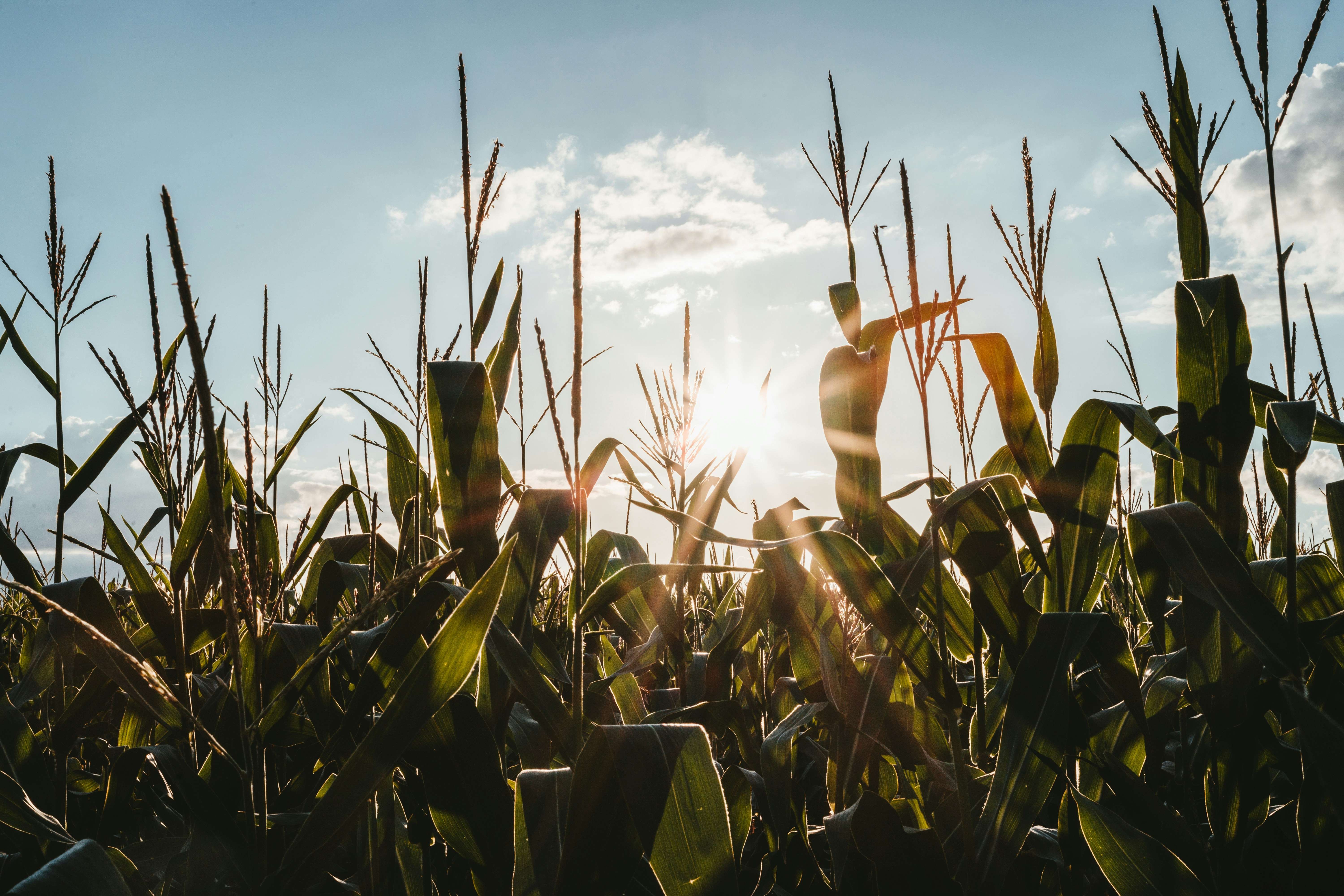
Fredericton, NB – Farmers across New Brunswick are dealing with one of the worst droughts in decades, as prolonged heat and minimal rainfall severely affect agricultural operations. The historic dry spell is taking a lasting toll on crops, feed supplies, pastures, orchards, and vegetable fields while also depleting critical water sources.
These unprecedented conditions have left many farmers deeply concerned as they brace for significant losses. With the fall harvest approaching, farmers are worried that we are too late in the season to recover any significant growth.
“This year’s weather has been interesting, with a slow, cool spring followed by heat. We had enough moisture for a good first cut, but the second cut shriveled and burnt. Extreme heat caused some fires, which local fire departments controlled. I had to bring catle home two months early due to dry pastures and water shortages, and several neighbors are hauling water and hay for their animals—a first in our area. Rainfall was sporadic, and we received only about 25% of our usual rainfall, which varied across the province.” Says Ules Baxter, owner of WindGap Farms.
In the catle industry, the drought and extreme heat have already had tangible impacts. Many producers were able to harvest a strong first cut of forage, but fields have failed to regenerate for additional cuts. This means the feed on hand for winter is largely what producers will have.
“The dry conditions have really hurt our feed supply. Our corn crop is down, and we’re now forced to purchase extra corn silage and grain. We’re looking at an additional cost of roughly $60,000 to $70,000 this year. These are real costs that put serious pressure on farm families like ours.” Says Eric Walker, owner of Lonsview Farms.
The drought has affected nearly every corner of the agricultural industry. Blueberry fields were left unharvested, apple orchards showed browning leaves and stunted fruit, and vegetable producers worried about both yield and quality.
“These extreme conditions are taking a real toll on the people who work the land every day. Farmers are having to make tough decisions, adjust their routines, and worry about the long-term impact on their operations and families.” Says AANB President, Joël Lamarche.
By August 2025, nearly two-thirds of New Brunswick was abnormally dry or in drought—up from just 4% in July—highlighting how sharply conditions worsened this season.
According to the Government of Canada’s Changing Climate Report and the Climate Atlas of Canada, Atlantic Canada is expected to face more frequent and intense droughts, heatwaves, and extreme weather due to climate change. Preparing not just for today’s crisis, but for the growing challenges ahead, will be critical for the long-term success of our agricultural sector.
The Agricultural Alliance of New Brunswick is the province’s largest general farm organization, dedicated to promoting the social and economic interests of all New Brunswick farmers.
Media Contact: Dylan LeBlanc Communications and Stakeholder Engagement Manager (506) 452-8101 | marketing@fermenbfarm.ca
